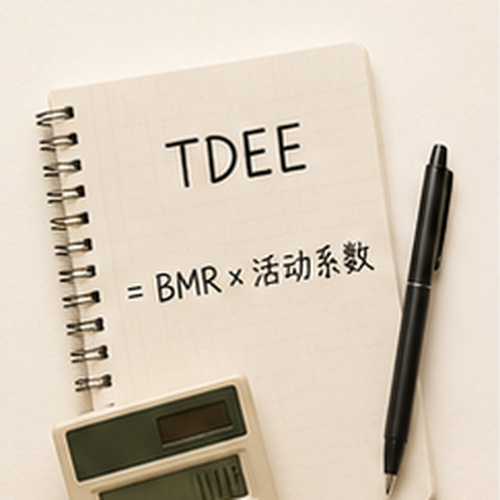
A TDEE calculation for gaining weight begins by estimating the total daily energy expenditure needed to maintain your weight, then adding a modest calorie surplus. The result is only a starting point. After a consistent observation period, calibrate it using average intake, the weight trend, training performance, and your body’s response.
Gaining weight does not mean eating a very large amount over a short period. An excessive surplus may increase gastrointestinal strain and unnecessary fat gain, while a surplus that is too small or inconsistent tracking makes the result hard to judge. People with an illness, those who are pregnant or breastfeeding, minors, or anyone at risk of an eating disorder need individualized advice from a doctor or registered dietitian.
How TDEE is estimated
TDEE means total daily energy expenditure. It includes basal metabolism, everyday activity, exercise, and the energy used to digest food. Calculators usually estimate it from age, height, weight, sex, and activity level, and cannot fully capture steps, body composition, work intensity, sleep, or individual metabolic differences.
Start with the TDEE calculator to obtain an initial maintenance-calorie estimate. Choose the activity level that reflects your actual work, steps, and training; do not deliberately choose a higher level because you want to gain weight. Reasonable precision is enough. Treat the output as a budget for an observation period, not as the exact amount your body must burn every day.
How to set a modest calorie surplus
A calorie surplus is the amount by which energy intake exceeds actual expenditure. Begin by adding a small, reviewable amount to estimated maintenance calories, then adjust it from the trend. If your eating has been inconsistent, completing a continuous tracking period is more reliable than making a large addition to an estimate that already has a wide margin of error.
Scenario one: the calculator provides a maintenance estimate, your current average intake is close to it, and your weight is stable. Test a small increase while keeping training and daily activity broadly consistent, and complete a stable observation period. If the average weight for that period does not change, increase intake slightly again; do not revise the plan immediately because of a one-day fluctuation.
How to arrange protein, fat, and carbohydrates
Protein supports tissue maintenance and recovery from training and should be distributed across daily meals. Fat contributes to many physiological functions and should not be pushed too low just to add more carbohydrates. Carbohydrates can provide energy for strength training and everyday activity. The specific balance should reflect food preferences, tolerance, training, and health status.
- Include a reliable protein source at each meal.
- Keep fruit, vegetables, whole grains, or other fiber-rich foods in the diet.
- If your appetite is small, add meals or choose more nutrient-dense foods.
- Do not rely on sugary drinks as the main way to gain weight.
Use period averages to assess the weight trend
A period average is calculated from weights recorded under similar conditions during a consistent observation period. It reduces the effect of individual fluctuations caused by water, salt, glycogen, and the contents of the digestive tract. Comparing averages from adjacent periods is steadier than changing calories whenever one day rises or falls. If frequent weighing is unsuitable for you, discuss other monitoring methods with a professional.
Your log should at least contain the date, morning weight, estimated intake, steps, training, and notable lifestyle changes. Menstruation, travel, social meals, constipation, or a high-salt diet can all change weight temporarily. Adjust only one major variable at a time during the observation period so you can distinguish whether a change comes from intake, activity, or measurement conditions.
How to calibrate after a stable observation period
If average weight remains unchanged, food records are reasonably complete, and training volume has not clearly increased, raise average intake slightly. If weight is increasing noticeably faster than planned and this is accompanied by discomfort, reduce it appropriately. There is no single ideal rate for everyone; the target should reflect body size, training experience, and professional advice.
Scenario two: one weight reading rises suddenly, but you had just increased carbohydrates and eaten saltier food, and the next period average falls again. Do not treat the entire short-term change as tissue gain, and there is no need to cut calories immediately. Keep the recording conditions consistent and judge only after the trend settles.
Should training days and rest days differ?
Weekly average energy intake and consistent progressive strength training are easier to follow than a complicated calorie cycle. On training days, some carbohydrates can be placed before and after training. On rest days, continue to get enough food and protein. If different daily calorie targets make tracking confusing, similar daily intake makes the true trend easier to assess.
Progressive strength training means gradually increasing the load, repetitions, or training volume when exercise quality and recovery allow. A calorie surplus alone does not guarantee that the added weight will be muscle; training stimulus, sleep, and recovery all affect the outcome. If performance keeps declining or pain or fatigue worsens, review recovery and health before adding more food.
What if you have a small appetite or poor appetite?
Divide regular main meals into more, smaller meals. Add a suitable amount of energy to foods already in your diet, such as staple foods, dairy or alternatives, nut butter, and cooking oil, while still attending to fiber and micronutrients. Consider allergies, digestive tolerance, and cultural habits when adding foods, and do not try to eat one very large portion at once.
Persistent unexplained weight loss, difficulty swallowing, pronounced gastrointestinal symptoms, severe fatigue, or a long-term loss of appetite requires medical assessment. People with diabetes, kidney disease, digestive disease, or medication use may have specific dietary restrictions. General TDEE formulas and online meal plans cannot replace professional diagnosis and treatment.
Turn the plan into a reviewable record
Save the calculator inputs, TDEE estimate, starting intake, weekly average weight, and reason for every adjustment. Evaluating the main changes only after each stable observation period filters out most short-term noise. If work-related steps, the training plan, or the sleep schedule changes substantially, reassess expenditure for that period instead of continuing to use an old number.
If weight gain brings persistent discomfort, intense anxiety about weight and food, loss-of-control eating, or compensatory behavior, stop increasing intake on your own and seek professional help. A doctor or registered dietitian can combine medical history, examinations, training, and living conditions into an individualized plan; a calculator cannot fill that role.