Whether you are trying to lose weight, build muscle, or maintain your physique, "TDEE (Total Daily Energy Expenditure)" is a core concept you must master. By calculating your TDEE, you can clearly determine how many calories to consume daily to reach your goals. This article explains how to calculate TDEE, the factors that influence it, and how to create a science-based nutrition plan.
What is TDEE? Why is it So Important?
TDEE (Total Daily Energy Expenditure) refers to the total number of calories your body burns in a day, including your Basal Metabolic Rate (BMR), daily activity, and exercise. When users search for "how to calculate TDEE" or "daily calorie needs," they are essentially looking for a scientific baseline for their diet.
If your daily intake is higher than your TDEE, you will gain weight; if it is lower, you will lose fat. Therefore, TDEE is the foundation of every fitness plan.
How to Calculate TDEE (Simple Steps)
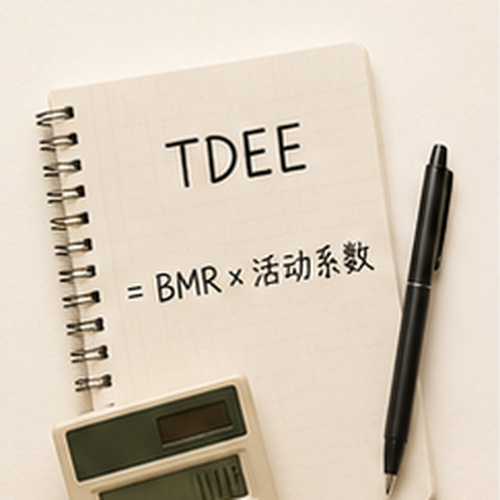
Calculating TDEE usually involves two steps: first, calculating your Basal Metabolic Rate (BMR), and then multiplying it by an activity factor. Common formulas include:
1. Sedentary (little to no exercise): TDEE = BMR × 1.2
2. Lightly Active (exercise 1-3 days/week): TDEE = BMR × 1.375
3. Moderately Active (exercise 3-5 days/week): TDEE = BMR × 1.55
4. Very Active (hard exercise 6-7 days/week): TDEE = BMR × 1.725
If you prefer not to calculate it manually, you can use a "TDEE calculator" for quick results—this is why "TDEE calculator online" is a popular search term.
How to Plan for Fat Loss Based on TDEE
To lose fat, the key is creating a "calorie deficit." It is generally recommended to consume 10%-20% fewer calories than your TDEE. For example, if your TDEE is 2000 kcal, a daily intake of 1600-1800 kcal is a safe and sustainable range for fat loss.
Additionally, protein intake is crucial to help minimize muscle loss and maintain your metabolic rate. This explains why many people search for "proper calorie intake for weight loss" or "TDEE fat loss calculation."
How to Eat for Muscle Gain (Bulking) Based on TDEE
If your goal is to build muscle, you need a "calorie surplus," typically 10%-15% above your TDEE. Ensure you get enough protein and engage in strength training to promote muscle growth.
Many users look up "calories needed for muscle gain" or use a "bulking calories calculator," which are essentially adjustments made to the TDEE.
Key Factors Affecting TDEE
TDEE is not static; it is influenced by age, gender, weight, muscle mass, and daily activity levels. The higher your muscle mass, the higher your BMR, which is why long-term trainees often have a higher TDEE.
Furthermore, as you lose weight, your TDEE will gradually decrease, so it’s important to recalculate periodically to maintain progress.
Common Mistakes: Why Your TDEE Might Be Inaccurate
Many people overestimate their activity levels or ignore calories from snacks and drinks. This leads to weight loss plateaus or poor muscle-building results. We recommend logging your food accurately and making dynamic adjustments based on changes in your body weight.
TDEE is the core metric for any diet or fitness plan. Whether you want to lose fat or build muscle, mastering your TDEE and adjusting your intake accordingly will help you reach your goals more efficiently. Use a TDEE calculator to update your data regularly and stay flexible with your strategy.